
Last quarter's association revenues just landed, and the board isn't happy. Instead of the growth you were expecting, dues are flat, and income from other sources is almost non-existent. The board views this as an opportunity to diversify income streams and potentially introduce association fundraising. But isn't that something that charities do?
Not exactly. While fundraising is well-known in charity and nonprofit circles, associations can use it to raise money for specific objectives tied to their mission or professional field. It's a form of non-dues revenue that can help associations expand their footprint and increase member engagement.
What Is Non-Dues Revenue, And Where Does Fundraising Fit In?
Non-dues revenue is any type of association income that isn't obtained through membership dues revenue. Some non-dues revenue ideas include continuing education fees, event registrations, company sponsorships, certifications, and fundraising.
Most types of non-dues revenue are tied to something with value. For example, a member may pay to attend a webinar because it provides them with continuing education credits. Or, someone may pay for a certification exam because it ties into their career goals. Fundraising for associations is different because it asks members to donate toward a mission, without receiving anything directly in return.
That difference changes your proposition, and it affects who you ask, what benefits you offer, and how you measure a fundraiser's success.
How Is Association Fundraising Different From Nonprofit Fundraising?
When a nonprofit holds a fundraiser, it's asking the public to contribute money toward a cause that aligns with its mission. For example, an animal shelter may hold a fundraiser to pay for veterinary care.
Association fundraising caters to its existing dues-paying members, not the general community. It requests members to donate toward a specific objective that fits within the organization's purpose, but isn't tied to its core member benefits. Some examples include:
- Scholarship fund fundraising: May be offered to promising students who need monetary assistance
- Research initiatives: May fund a study that falls under the association's purpose or interests
- Advocacy campaign: May fund events or activities used to persuade or inform public opinion
Such objectives don't deliver a direct benefit to a paying association member. However, members may see the value in them and decide to contribute financially.
Why Do Most Associations Leave Fundraising Revenue On The Table?
Many associations view fundraising as a nice-to-have, but not fundamental to their operations. That's usually driven by:
- Perception: Members already pay association dues. Organizational leaders may believe they're not open to additional contributions.
- Lack of staff: Fundraising requires planning and operational support. Associations may not have team members available to take on these duties.
- System disconnects: Fundraising may take place outside the association's regular events and educational resources. This can make it hard to manage or track campaigns and donations.
While these are real issues, an association that doesn't address them may be missing out on opportunities to diversify association revenue.
What Happens When An Association Relies Too Heavily On Dues?
Relying entirely on dues can leave an association at risk if membership declines. That's a significant worry, as research from the American Society of Association Executives found that 39% of association CEOs reported a reduction in dues revenue in 2026. To combat the issue, almost two-thirds of associations are introducing new association revenue streams, while simultaneously increasing membership dues.
Fundraising offers a way to stymie declining revenue alongside other activities, such as events and continuing education.
What Fundraising Models Actually Work For Associations?
Organizations have found success with several types of association fundraising ideas.
One is scholarships and educational funds. Associations can raise money to cover the costs of tuition, study materials, certification exams, continuing education, and more for a student. This attracts donors eager to support rising stars who can benefit from the financial help. It also establishes the association as a scholarship provider, which appeals to those who are working toward a related career. Over the long term, these students may join the association as dues-paying members.
Research funding is another popular type of association fundraiser. Money collected for research can go towards a study, investigation, or some other form of analysis that aligns with the association's mission, purpose, or field. Individual donors may contribute alongside corporate or private sponsors. Results from research may advance the profession or yield new knowledge that enhances the association's prominence, along with the individuals who performed it or contributed.
Another way to bring money in through fundraising is by running a milestone or anniversary campaign. For example, if your association is marking its 10th or 25th anniversary, you could use association event fundraising for a big celebration. Donors would receive free entry to the event, where they can network with association leaders, sponsors, and other members.
Legacy giving for associations can yield future non-dues revenue for associations. Members may want to commit to ongoing donations throughout their lifetime, or leave a bequest when they pass on. Associations can promote this option through their marketing materials and annual meeting. Some dedicate a page on their website to legacy contributions, which is useful for setting gift guidelines and policies. For loyal association members, this opportunity gives them a way to make a lasting impact through a financial gift.
How Do Scholarship And Education Funds Attract Member Giving?
Scholarships and educational funds perform well as fundraisers because donors see tangible benefits from their giving. The money goes to a chosen student who qualifies based on their grades, aspirations, financial need, or some other metric. They use it to continue their learning and later contribute to the professional community.
Scholarship applications are easy to route through the same workflows your association uses for abstracts. Interested candidates can submit their profile and application materials for review, where your team can assess them for qualification. It doesn't require much additional effort to set up.
Where Do Sponsors Fit Into A Fundraising Strategy?
Your association's closest corporate and private sponsors may be willing to join your fundraising efforts in exchange for promotion. This works well when the association and sponsor have a shared fundraising goal. For example, a hospital may see the benefit of funding a healthcare association's research study. Administrators could agree to a matched giving campaign, or make a separate donation, if the hospital's name becomes a part of the research.
This approach works well with all types of associations, including universities, professional organizations, and nonprofits.
How Can Your Annual Meeting Become A Fundraising Engine?
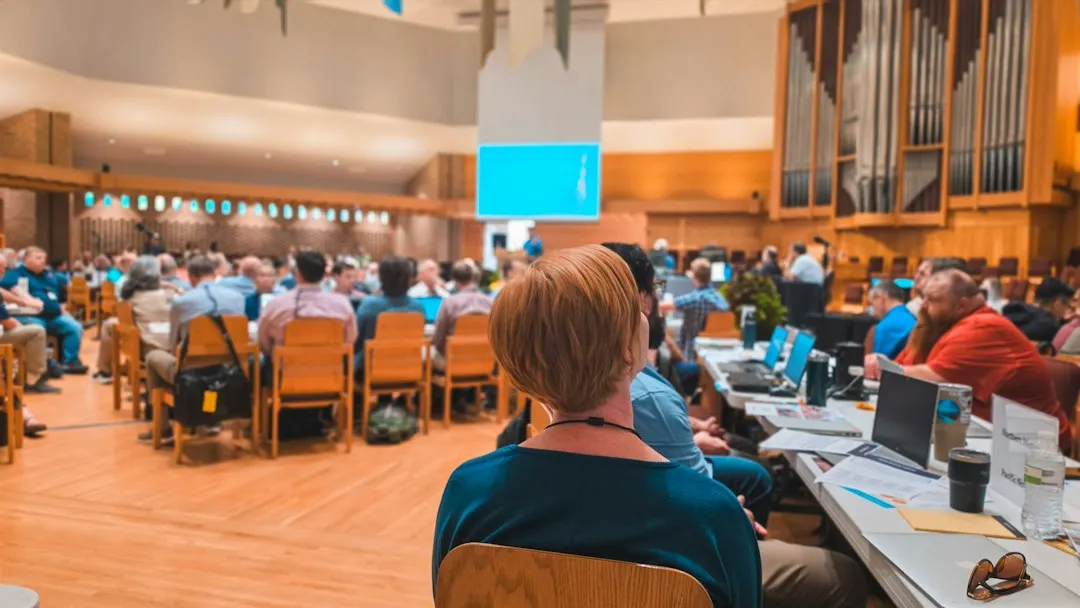
Associations typically hold an annual meeting to discuss the professional landscape, upcoming changes, past results, and other matters. This is frequently the most anticipated moment of an association's year, as it's when the entire community bands together to listen. However, some organizations choose to use it solely for event registration, sponsorships, and membership reminders. They overlook the opportunity to turn it into a fundraising source.
That's a mistake, as annual meetings provide a perfect setting to discuss ongoing fundraisers and results. For example, association executives can take time to recognize donors, discuss scholarships, and highlight key giving moments from the previous year. Their recognition can encourage other members to participate in giving efforts.
What Happens To Fundraising Momentum After The Event Ends?
Associations may choose to livestream an annual meeting or hold it in person. Livestreaming is particularly advantageous, since the association can reach distant members, record the event, and transition it into their learning environment. Anyone who isn't available for the actual meeting can check it out on their own time. This option is also best for generating annual meeting revenue, since associations keep campaign stories in front of members throughout the entire year.
Unrecorded events may be forgotten after they end, which doesn't benefit your organization. For any activities that impact association revenue, it's best to record and re-share through your website or learning environment if feasible.
How Do You Measure Fundraising Against Your Other Revenue Streams?
Separating association fundraising from other revenue streams gives board members a clear picture of campaign results. Metrics that provide the deepest insight include:
- Fundraising revenue as a percentage and dollar amount of total revenue: This tells organizational leaders how much of your association's total revenue stems from giving.
- Fundraising revenue as a percentage and dollar amount of non-dues revenue: This shows board members how much non-dues revenue comes from fundraising.
- Number of ongoing or repeat donations: Capturing this number shows leaders which members are giving regularly. These individuals may be open to legacy bequests.
- Fundraising revenue by type: If you host multiple types of fundraisers, such as scholarships, anniversary campaigns, and research, categorizing them by bucket will tell you which ones are the most fruitful.
- Association sponsorship revenue: Tracking each sponsor's contributions will identify top donors and participants. These are the organizations you'll want to recognize in your annual meeting.
Since fundraising has tax and charitable-status considerations, it's smart to review your plans with a CPA before accepting donations.
How Can The Right Event Technology Support Your Fundraising Goals?
Managing fundraising from behind the scenes is tough without the right technology. Between scheduling events, coordinating speakers, tracking members and sponsors, and evaluating submissions, you'll need a whole stack of tools to nail down your workflow. That is, unless you're using Eventscribe.
Eventscribe is Cadmium's event management system that's designed for associations. Its native features support event registration with tiered pricing, exhibitor and sponsor tracking, donor management for associations, and submissions and reviews for scholarship applications. With Eventscribe, you can manage your entire fundraising workflow from end to end.
Associations that plan to transition past event content into continuing education can easily do so with the Eventscribe and Elevate workflow. Elevate is our learning management system built for associations, and it supports continuing education, curriculum development, live events, and on-demand content libraries.
To see Eventscribe in action, schedule a demo with our team today. Ready to take the next step? Speak with an expert here.


